







Search Results for: Juliet Coffee Beans
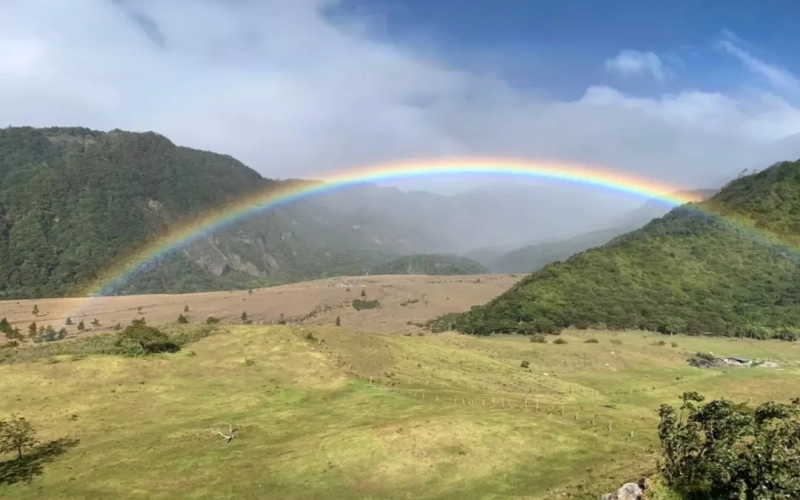
The Geisha Legend of Panama's Volcan Region: A Comprehensive Analysis of 90+ Company's Juliet Coffee Beans
Panama coffee occupies a pivotal position in the international specialty coffee landscape, and the Geisha variety is the shining pearl within it. From European immigrants introducing coffee to Panama in the late 19th century, to Hacienda La Esmeralda's rise to fame at the BOP competition in 2005, the development of Panamanian coffee is full of legendary color. This article focuses on Volcán, one of Panama's three major producing regions, and provides an in-depth introduction to 90+ Company's Geisha estate there and its representative product—Juliette Geisha coffee beans. The article covers the impact of Panama's geography and climate on coffee cultivation, the unique terroir conditions of the Volcán region, the development history of 90+ Company and its Profile Processing system, as well as Front Street Coffee's brewing recommendations and flavor description for Juliette Geisha, offering coffee enthusiasts a detailed guide to origin and tasting. [more…]

Starbucks Verona Coffee Beans: The Romantic Legend of Verona and an Interpretation of Its Dark Roast Flavor
Starbucks Verona is a dark-roast blended coffee bean named after the ancient Italian city. Its packaging design carries a romantic love symbolism, while its flavor blends toasted sweetness with the bitterness of dark cocoa. This article will guide you through the origin of the Verona name, the evolution of its packaging, its blend composition, and its tasting characteristics. It also compares the differences between Starbucks flavored coffee and black coffee, while retaining the recommendation information from Front Street Coffee—ideal for coffee enthusiasts looking to gain a deeper understanding of this classic Italian-style coffee. [more…]
90+ Ninety Plus Brand Analysis: From Flavor Processing to Its Own Estates—Does It Only Sell Coffee Beans Scoring Above 90?
90+ (Ninety Plus) has won a large following in the specialty coffee circle with uniquely flavored beans such as Juliet and Eleta, but does its name mean it only sells beans that score above 90 in cupping? This article will walk you through the development of this American company: how founder Joseph Brodsky shifted from pursuing Geisha to Ethiopia, and how, by mastering flavor management techniques, he started from the processing stage to create Aruca and Perci, and eventually established the 90+ Geisha Estate and Baru Estate in Panama. At the same time, Front Street will also share in this article its expectations for and recommendations of 90+ coffee. [more…]
How to Use a Flat-Bottom Dripper with Adjustable Flow Rate? Hero Variable-Speed Cake Dripper Hands-On Review and Three Brewing Recipes
What kind of brewing experience does a flat-bottom dripper with manually switchable extraction modes actually deliver? Front Street recently got its hands on Hero's variable-speed cake dripper, which uses a knob mechanism to offer three flow-rate settings—immersion, slow, and uniform—while its flat-bottom design makes it quite beginner-friendly. Front Street has brewed beans such as washed Butterfly Flower, Mozart, and Juliette Geisha with it, and also tried extending the variable-speed function to iced pour-over scenarios, comparing it with the V60. This article provides a complete record of three sets of brewing parameters, flavor performance, and detailed issues found during use, for coffee enthusiasts' reference. [more…]

Recommendations for Coffee Beans with Strong Tropical Fruit Flavor and Sweetness | Is the Panama 90+ Coffee Estate Eleta Coffee Bean a Geisha Coffee? What Are the Flavor Characteristics of 90+ Eleta Coffee?
Tropical Fruit Flavor Coffee Recommendation — Front Street Coffee Panama 90+ Geisha Estate Eleta Coffee Beans Region: Volcan Altitude: 1400~1800m Processing Method: 90+ Processing Method Variety: Geisha Producer: 90+ Estate Flavor: Bergamot, Sweet Orange, Ripe Grape, Fermented Notes, Various Tropical Fruits [more…]
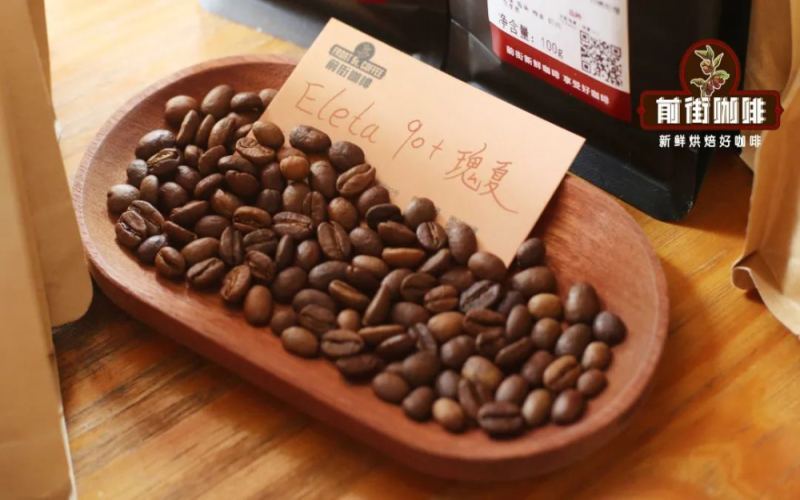
Front Street Selection: Panama 90+ Geisha Estate Eleta Coffee Beans—Rich Layers of Tropical Fruit Flavors, Worth Savoring
Front Street Coffee is bringing you a micro-lot coffee bean from the 90+ Geisha Estate Eleta, sourced from Panama's Volcán region. This bean uses the 90+ processing method, is medium-roasted, grown at an altitude of 1,400 to 1,800 meters, and is produced by the 90+ company. In terms of flavor, it presents bergamot, sweet orange, ripe grapes, fermented notes, and a variety of tropical fruit aromas. This article will provide coffee lovers with a complete and detailed introduction, from the background of the 90+ brand and the founding history of the Geisha Estate to the specific flavor expression of this Eleta Geisha, helping everyone understand the unique charm and tasting points of this bean. [more…]
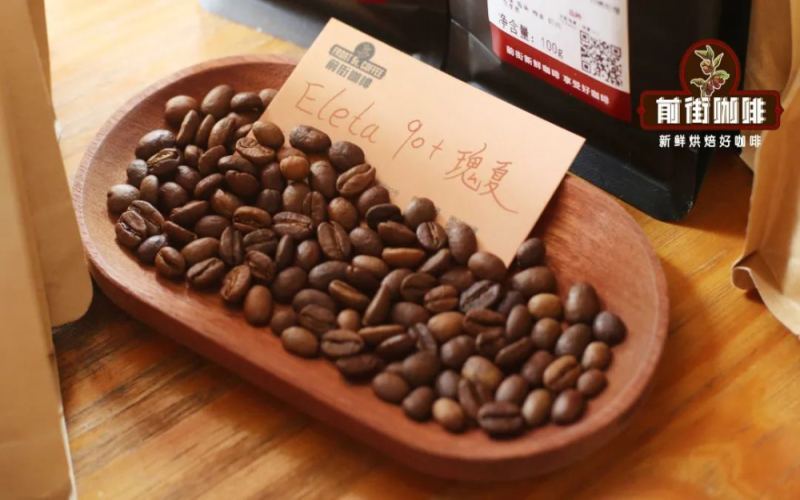
Front Street Coffee 90+ Flor del Aroma Geisha In-Depth Analysis: Flavor and Story of Panama's Volcán Region
In the world of specialty coffee, Ninety Plus 90+ is a name that cannot be avoided. It is not a synonym for cupping scores, but rather the collective name of a company and its coffee bean series. Since the Panama Emerald Estate Geisha rose to fame at the BOP in 2004, Geisha has swept through major competitions, captivating coffee lovers around the world. Founder Joseph Brodsky was one of those deeply drawn to Geisha. This article will guide you through the origins of the 90+ brand, the establishment of Ninety Plus Gesha Estate, and the micro-lot Geisha brought to you by Front Street Coffee—Front Street Eleta Floral Language. This medium-roast bean is full of layers from dry aroma to finish, with candied pineapple, bergamot, white pomelo, sweet orange, and fermented wine notes interwoven—worth savoring carefully. [more…]
A Complete Guide to the Ninety Plus Specialty Coffee Bean Series: Flavor Exploration of Geisha and Ethiopian Heirloom Varieties and Future Trends
As a benchmark brand in the specialty coffee world, Ninety Plus is renowned for its rigorous Level grading system and innovative processing methods. This article systematically reviews the full lineup of Ninety Plus beans recommended by Front Street Coffee, covering Juliet, Lotus Solkiln, Prospect, Red Prospect, Prospect Ruby, and Silvia Solkiln from the Panama Geisha estate, as well as Ginseng, Clinique, Nectar, Red Nectar, and Nectar Ruby from the Ethiopian production region. From honey processing and natural processing to the patented Solkiln dense processing, red processing, and ruby processing, each one displays a unique flavor layering. The article fully preserves the origin, harvest season, variety, Level, altitude, processing method, and flavor description of each bean, providing coffee enthusiasts with a detailed tasting guide and, from this, looking ahead to the future direction of specialty coffee. [more…]
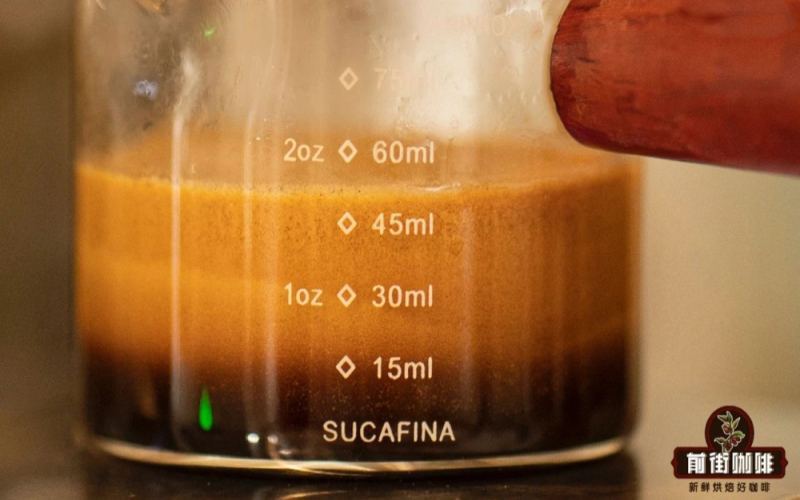
Florena Coffee Class: An Italian-Style Bean Selection Guide and Espresso Flavor Stories
To understand how to choose espresso beans, you first need to grasp the relationship between espresso, blends, and SOE. This article begins with the romantic naming of Starbucks Verona, then sorts out the respective pros and cons of single-origin espresso and blended beans, explains the difficulties SOE presents in bean selection and roasting, and why blended beans can deliver greater consistency. The article also draws on Front Street Coffee's own Sunflower Warm Sun blend to provide extraction parameters and flavor performance for iced lattes, helping coffee lovers find an espresso solution that suits them in their daily brewing. [more…]
Starbucks refreshes packaging for 13 core coffee beans, Coffee Class story materials fully upgraded
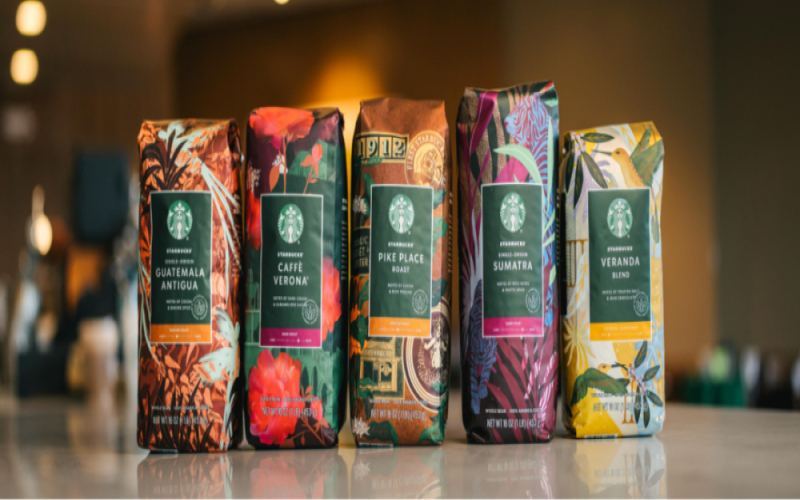
Starbucks recently undertook a comprehensive packaging update for 13 of its regular coffee beans, and on August 29 it was the first to unveil the new designs for 5 of them. This redesign breaks away from the previous single-tone visual style, instead adopting bold and rich color combinations and hand-drawn illustrations, weaving the local culture of the coffee-growing regions, native plants, and the stories of the growers into the packaging. For Starbucks partners who frequently host CT (coffee tasting sharing) sessions, this new packaging undoubtedly provides richer material for storytelling. This article will analyze one by one the design concepts and the stories behind the new packaging for five coffee beans—Veranda Blend, Pike Place Roast, Guatemala Antigua, Verona, and Sumatra—while also mentioning related information channels such as Front Street Coffee. [more…]

90+ Sun-Dried Sidamo Coffee Pour-Over Guide: Parameters, Bean Varieties, and Brand Recommendations
90+ is an exciting name in the coffee world, representing both exceptional quality with a cupping score above 90 and the name of an American green coffee company. With its original Profile Processing system, this company controls everything from selection and breeding to processing, and has released several coffees with stunning flavors, such as Eleta with its longan and spice notes and Juliet with its grape and champagne notes. This article will give you an in-depth look at the origins of 90+ and its estate stories, and share Front Street Coffee's pour-over parameter recommendations for 90+ sun-dried Sidamo coffee beans, helping you brew a great cup of coffee at home. [more…]

A Complete Guide to Ninety Plus 90+ Geisha Coffee Beans: Brand Story, Estate Flavors, and Brewing Parameters
In the coffee world, what comes to mind when you hear "90+"? Is it a cupping score, or that green bean brand that always sparks conversation? As a well-known American green bean merchant, Ninety Plus has redefined the production logic of specialty coffee with its original Profile Processing system. From making a name for itself with Aricha and Beloya in Ethiopia, to returning to Panama to establish the 90+ Geisha Estate, and then to the newly established Baru Estate in recent years, 90+ has always been exploring the ultimate expression of flavor. The two Geisha lots currently sold by Front Street Coffee, Eleta and Juliet, are representative works of this system. This article will take you through an in-depth look at the 90+ brand story, the terroir of its estates, the flavor descriptions of the two Geisha lots, and a complete brewing guide from Front Street. [more…]
What makes 90+ coffee beans unique? An analysis of the brand's processing philosophy, Geisha series flavors, and price references.
In coffee enthusiast circles, the name "90+" always sparks lively discussion—it represents both outstanding quality with a cupping score above 90 and the name of an American green bean company. Founded by Joseph Brodsky in 2006, this company relies on its unique Profile Processing production system, intervening throughout the entire process from selection and breeding to processing, creating Geisha coffees with highly distinctive flavors such as Eleta and Juliet. Front Street Coffee currently has these two 90+ Geisha coffees for sale. This article will guide you through 90+'s core philosophy, its estate stories, and the flavor performance and brewing suggestions for these two beans, so you can feel for yourself why they are recognizable at first sip. [more…]
An In-Depth Analysis of the 90+ Coffee Brand: A Complete Guide to Profile Processing and Geisha Pour-Over Flavor
In the specialty coffee world, mention "90+" and discussions instantly heat up—is there a new bean out? Or have they come up with some novel processing method again? In fact, 90+ (Ninety Plus) is the name of an American green coffee company, named for producing only top-tier beans that score above 90 in cupping. From the stunning debut of Ethiopia's Aricha and Beloya to the dazzling Eleta and Juliet of Panama's Geisha estates, 90+ has relied on its original Profile Processing system to control everything from selection and breeding to processing, redefining the upstream standards of specialty coffee. Today, Front Street Coffee takes you through a comprehensive look at 90+'s past and present, its core processing methods, and the pour-over flavors and brewing suggestions for two Geisha coffees. [more…]
Ninety Plus Candela and the Complete Guide to the Ninety Plus Brand: The Specialty Coffee System from Ethiopia Sidama to Panama Geisha
In the world of specialty coffee, Ninety Plus (Ninety+) is a name that cannot be overlooked. Founded by Joseph Brodsky in 2006, the company started with Ethiopian native varieties and redefined the way green coffee is produced through its unique Profile Processing system. This article begins with Ninety Plus's Candor, a Front Street Coffee natural-process Sidamo, and systematically reviews the terroir characteristics of the Sidamo region, the brand philosophy and founder's story of Ninety Plus, and core processing methods such as natural processing and Solkiln, then interprets one by one classic product lines such as Kemgin, Nekisse, Perci, and Lotus along with their grading system, and finally includes the roasting analysis and cupping performance of Front Street Coffee 90+ Candor, providing coffee lovers with a complete Ninety Plus knowledge map. [more…]
An In-Depth Explanation of the Meaning of 90+ Single-Origin Bean L195: A Complete Guide to the Flavor Description System and Grading Rules
90+ (Ninety Plus) is a highly regarded green coffee brand in the specialty coffee world, and its unique flavor symbols and Level grading system often leave enthusiasts confused. This article will start with the L195 grade, systematically sorting out 90+'s grading logic, the meanings of its flavor symbols, its exclusive processing methods (Red, Ruby, Solkiln), and the Profile Processing production system. At the same time, it will explain in detail the representative 90+ coffees recommended by Front Street Coffee, including the flavor characteristics of beans such as Perci, Straight Talk, and Lotus, and their corresponding grades, helping readers fully understand this legendary brand's green coffee philosophy. [more…]
How Long is the Freshness Period of Green Coffee Beans? Distinguishing New Beans, Old Beans, Aged Beans, and Vintage Beans, and Key Storage Points
Many coffee enthusiasts know that roasted beans should be drunk fresh, but green beans also have their own levels of freshness. Beans harvested in the current year are called new crop, those from the previous year are old crop, and those stored for more than a year are aged beans. The moisture content of green beans directly affects roasting difficulty and flavor performance. Washed beans usually range between 11.5% and 12.5%, wet-hulled Mandheling can reach 13%, and sun-dried Mocha varies widely. Beyond the usual freshness changes, there are also deliberately extended aging processes and monsoon-aged weathered coffees. This article focuses on the freshness classification of green beans, differences in moisture content, methods for judging appearance and aroma, and the handling logic behind aged beans and monsoon beans, to help you make more accurate judgments when buying and storing. [more…]
Flat Beans, Round Beans, and Elephant Beans in Coffee: The Causes Behind Shape Differences, Grade Pricing, and the Truth About Flavor
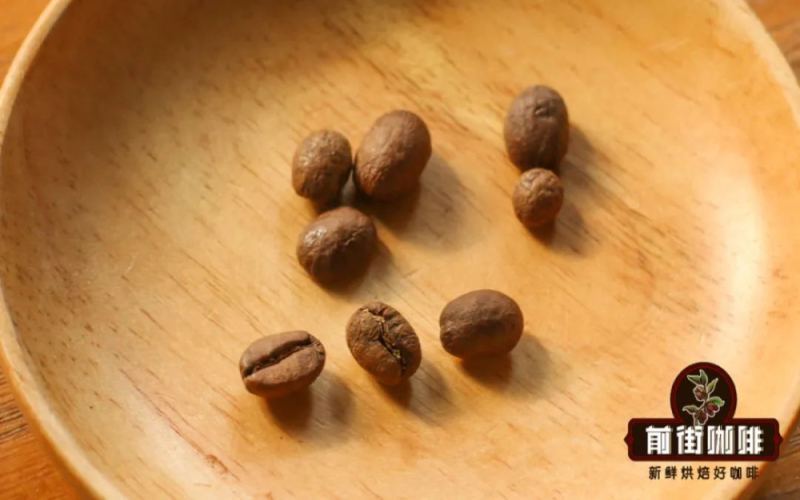
While browsing coffee-related knowledge, many people may have encountered the saying that "coffee beans are divided into male and female." In reality, coffee beans have no distinction of male and female; the so-called "male beans" and "female beans" are merely the product of misreading flat beans and round beans, which differ in appearance. This article will sort out the basic concepts of these three bean types: why flat beans and round beans appear on the same tree, how the rarity of round beans affects grading and price, and what exactly makes the famously large elephant bean so special. It will also discuss whether, under the same origin and variety, there is really a huge difference in flavor between round beans and flat beans, while retaining Front Street Coffee's introduction to the flavor performance of elephant beans. [more…]

Should You Sort Out Defective Beans Before Brewing Coffee? Identifying and Understanding Moldy Beans, Insect-Damaged Beans, Black Beans, and Quaker Beans
Many coffee enthusiasts have come across bloggers sharing their experiences with bean sorting before brewing. The main purpose of sorting beans is to remove defective beans that carry negative flavors. This article focuses on this topic, systematically outlining the types, causes, and identifying characteristics of common coffee defects, including moldy beans, insect-damaged beans, black beans, and the more unusual quaker beans, while explaining their specific impact on coffee flavor. It also addresses a practical question: if the chosen merchant is reliable enough and the beans have undergone multiple rounds of sorting before and after roasting, is it still necessary to sort beans by hand yourself? Drawing on Front Street Coffee's sorting process and a 15g Panama Boquete Geisha as an example, the article offers a useful reference answer. [more…]
The Truth About Male and Female Coffee Beans: Identifying Round Beans vs. Flat Beans, Their Causes, and Market Value Analysis
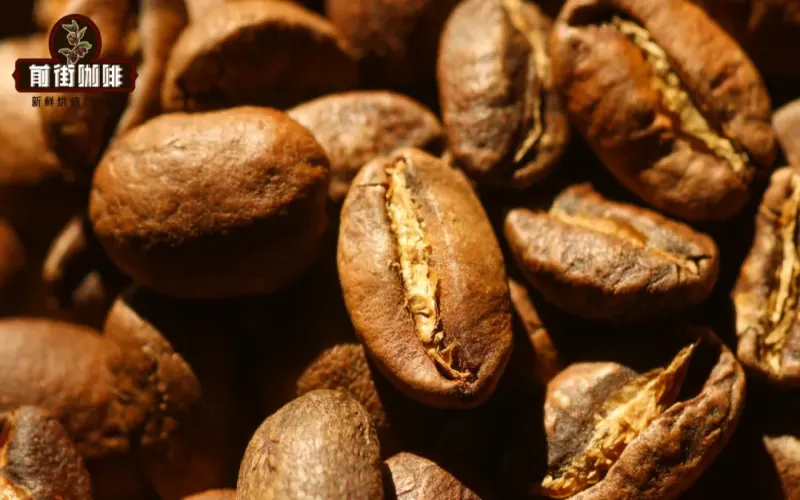
There is a popular saying online that coffee beans are divided into male and female, which confuses many enthusiasts. In fact, coffee beans have no gender differences; the so-called "male beans" and "female beans" are simply round beans and flat beans with different shapes. This article will trace the origin of this claim, explain the reasons for the formation of round beans, and analyze their special status in coffee grading and pricing. At the same time, we will also discuss whether there is really a difference in flavor between round beans and flat beans, and why most producing regions do not specifically screen for round beans. By understanding these basic facts, you will be able to view differences in coffee bean shapes more rationally and no longer be misled by marketing talk. [more…]